
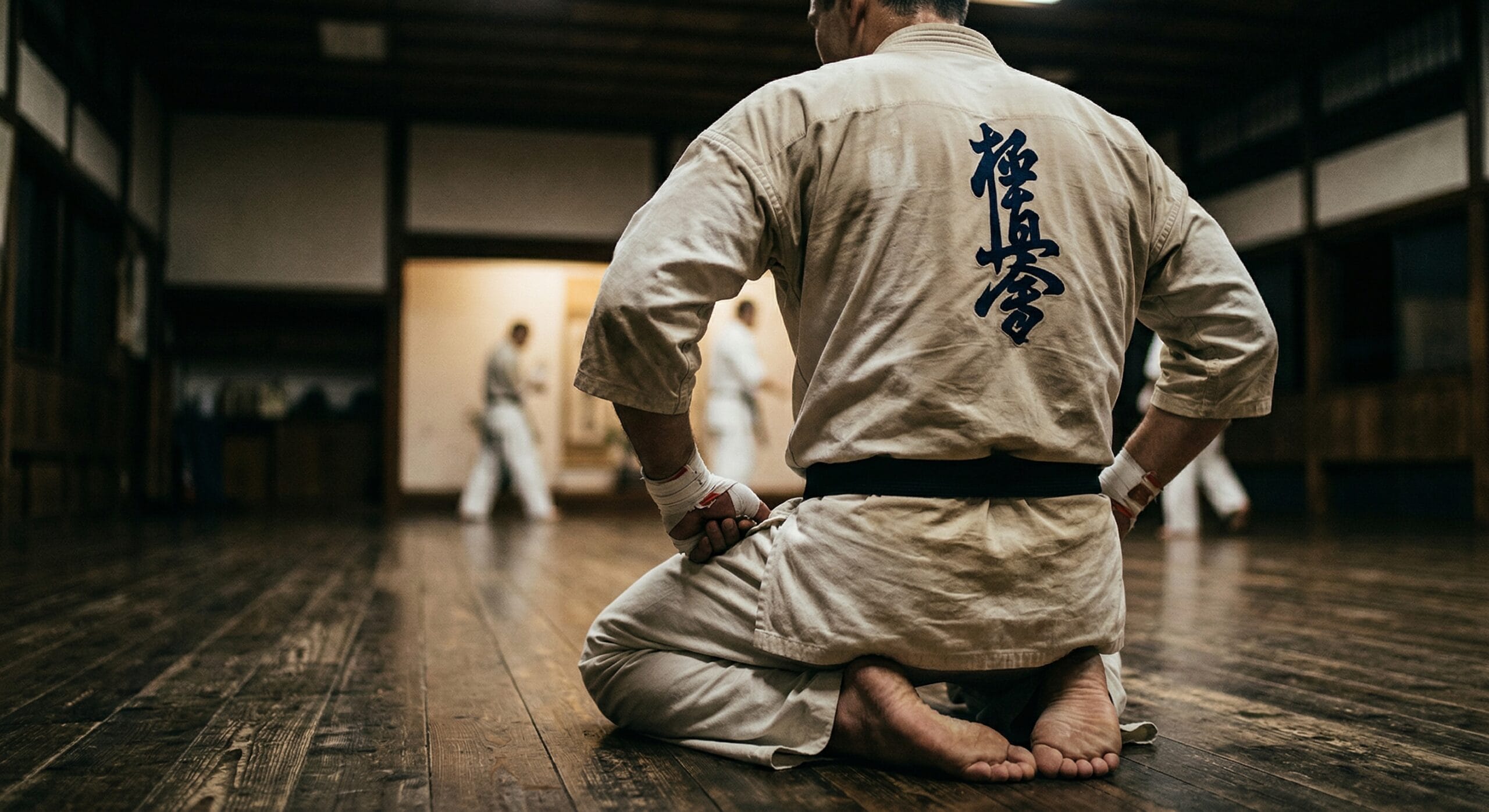
Karate is often sold as a fun hobby, a way to stay fit, or a path to discipline. It can be all of those things. However, styles like Kyokushin Karate are not just a few hours a week of casual training. They have a way of taking over your life if you let them. This is how the journey usually unfolds.
Year 1 to 2: The Honeymoon Phase
This is where most people start with grand visions. You might think: I will get fit, learn a few cool kicks, and maybe even win a tournament someday. Winning a tournament in your first year is unlikely, but that does not stop you from imagining it.
- Training is fun: You attend two or three classes a week, learn the basics, and start feeling stronger.
- Expectations vs. reality: You think you will master a roundhouse in a month. In reality, you are still figuring out which leg goes where.
- Early competitions matter: Skipping the novice tournaments in these first years is a huge mistake. They teach timing, pressure, and ring awareness that you cannot learn in the dojo alone. If you miss them, you will find yourself behind later on.
- Life infiltration begins: You start feeling proud every time you execute a clean technique. Do not be surprised if you catch yourself bowing when entering a cafe or your own living room.
At this stage, Kyokushin still feels like a hobby. It is social and physically rewarding. But the seeds of lifestyle commitment are already being planted.
Year 3 to 4: The Turning Point
This is where reality hits. Sometimes it hits harder than a clean low kick.
- Sparring gets serious: No more playful punches. This is pressure, endurance, and technique under fire.
- The gap widens: Those who have been training consistently for tournaments start moving and reacting faster. Hobbyists notice subtle differences they cannot explain, and frustration can set in.
- Time commitment escalates: Training moves to four or six classes a week. You add extra conditioning and travel for seminars. Weekends disappear. Holidays suddenly become training trips.
- Expectations vs. reality: You thought karate was a couple of hours a week. Now it occupies more mental bandwidth than your work emails.
- Missed novice tournaments hurt: Those early competitions teach you how to survive pressure and manage fight anxiety. Missing them creates a gap that feels insurmountable later.
At this stage, many people drop out. The hobbyist who wanted simple fitness realizes that serious Kyokushin is a lifestyle choice. Suddenly, your casual interest is in direct competition with your free time and social life.
Year 5 and Beyond: Full Lifestyle Commitment
For those who stick it out, Kyokushin becomes a life defining pursuit.
- Training dominates your schedule: Seminars, camps, and tournaments dictate your holidays. Even casual trips require planning around your training sessions.
- Your body is your instrument: Strength, flexibility, and recovery are monitored carefully. Injuries are not ignored. They are seen as part of the cost of growth.
- Subtle lifestyle takeovers: You bow when entering the office. Your car back seat permanently hosts a massive sports bag. Kitchen cabinets are closed with perfect kicks and lights are turned off with precision strikes because why not?
- Mental toughness is not optional: You push through fatigue and learn to manage fear. These skills leak into real life. You become sharper and more focused in ways you never expected.
The sooner you start, the better you are later. Early consistency compounds in a way that casual bursts cannot replicate. Those who start late often find themselves years behind, struggling to catch up technically and physically.
Why the Dropout Rate is High
Kyokushin is for anyone, but it is not for everyone long term. Most people drop out when:
- Training gets serious and the lifestyle commitment becomes unavoidable.
- The difference between casual practitioners and tournament athletes becomes impossible to ignore.
- Early mistakes, like skipping novice tournaments, finally catch up to you in the form of technical gaps.
Dropping out is not a failure. It is recognizing that serious Kyokushin requires more sacrifice than a casual hobbyist expects.
Conclusion
Kyokushin Karate is a lifestyle. You can enjoy it casually for fitness, or you can commit fully and let it shape your body and mind.
Beware: once the serious training begins, it hits harder than any low kick. It sneaks into your daily life and separates hobbyists from competitors. That is why it is not for everyone. Yet for those who embrace it, the rewards are unmatched.
Osu.